What is Digital Learning?
Digital Learning refers to learning that is facilitated by technology and gives students some element of control over time, place, path, or pace. It includes a wide spectrum of tools and practices such as online courses, blended learning, gamified learning, mobile learning, and more.
What is EdTech Integration?
Educational Technology (EdTech) Integration is the process of incorporating technology tools and digital resources into teaching, learning, and educational administration in a purposeful, pedagogically sound manner.
Components of Digital Learning & EdTech Integration
- Learning Management Systems (LMS)
- Platforms like Google Classroom, Moodle, Canvas, and Blackboard
- Used for course management, content delivery, assessments, and communication
- Digital Content & Resources
- E-books, videos, simulations, virtual labs, podcasts, interactive websites
- Hardware Tools
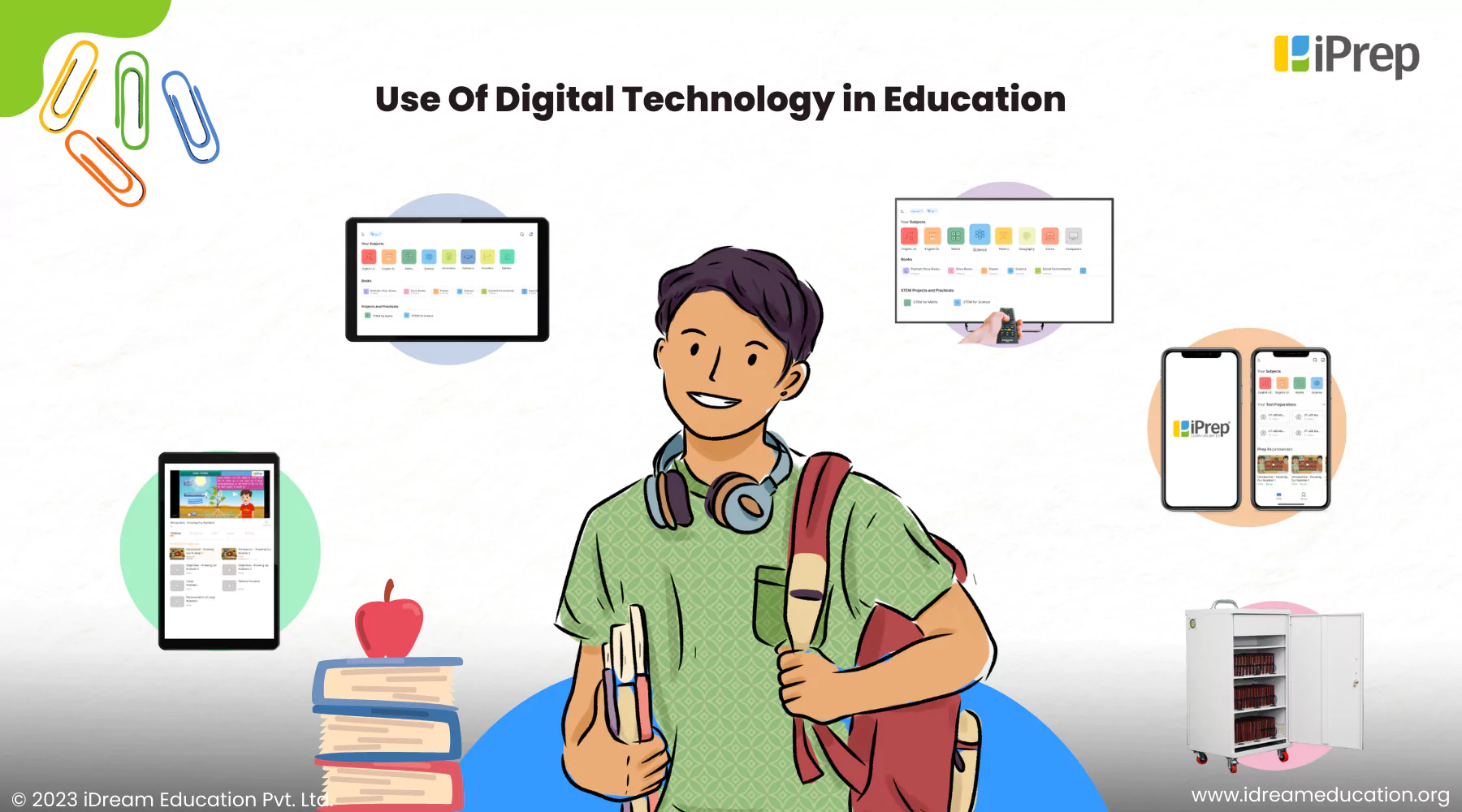
- Laptops, tablets, interactive whiteboards, AR/VR devices, projectors, smartpens
- Software Tools
- Assessment tools (e.g., Kahoot!, Socrative)
- Collaboration tools (e.g., Google Workspace, Microsoft Teams)
- Content creation tools (e.g., Canva, Adobe Spark)
- Online & Blended Learning Models
- Fully online, hybrid/blended, flipped classrooms
- Artificial Intelligence & Adaptive Learning
- AI-powered tutors, personalized learning paths (e.g., Khan Academy, DreamBox)
- Gamification & Game-based Learning
- Using game elements to increase engagement and motivation
Instructional Strategies for Effective Integration
- SAMR Model
- Substitution → Augmentation → Modification → Redefinition
- Helps evaluate how tech is used (from basic replacement to transformation)
- TPACK Framework
- Integrates Technology, Pedagogy, and Content Knowledge
- Blended Learning Models
- Station Rotation, Flex Model, Flipped Classroom, Enriched Virtual
- Project-Based Learning (PBL)
- Enhanced with digital tools for research, collaboration, and presentation
- Universal Design for Learning (UDL)
- Leveraging tech to support all learners regardless of ability
Benefits of Digital Learning & EdTech
| Benefit | Description |
|---|---|
| Personalization | Learners can progress at their own pace |
| Engagement | Interactive content and gamification boost motivation |
| Access & Equity | Remote access to quality learning materials |
| Efficiency | Streamlines grading, communication, and content delivery |
| Data-Driven Insights | Track student performance and adapt instruction |
| Skill Development | Promotes digital literacy, collaboration, and self-direction |
Challenges in EdTech Integration
| Challenge | Description |
|---|---|
| Digital Divide | Not all students have equal access to devices or internet |
| Teacher Training | Educators may lack skills or confidence in using tech |
| Cost & Sustainability | Budget constraints for hardware, licenses, and upkeep |
| Privacy & Security | Data protection and cybersecurity risks |
| Distraction & Overload | Students may misuse devices or feel overwhelmed |
| Pedagogical Alignment | Tech must align with learning goals, not just be trendy |
Emerging Trends in Digital Learning & EdTech
- Artificial Intelligence (AI)
- Intelligent tutoring systems, automated grading, predictive analytics
- Virtual Reality (VR) & Augmented Reality (AR)
- Immersive experiences for science, history, medical training, etc.
- Blockchain in Education
- Credentialing and secure academic records
- Microlearning
- Short, focused bursts of content consumption (videos, quizzes)
- Learning Analytics
- Using big data to inform instructional decisions
- Cloud Computing
- Scalable and remote access to learning platforms and tools
- Assistive Technologies
- Tools that support learners with disabilities (e.g., screen readers)
Best Practices for Successful Integration
- Provide ongoing professional development for educators
- Ensure infrastructure and tech support are reliable
- Start with clear learning goals, then choose tools accordingly
- Promote digital citizenship and online safety
- Collect and act on student feedback
- Encourage collaboration and creativity using tech
- Pilot new tools before full-scale implementation
Real-World Applications
- K–12: Interactive whiteboards, adaptive math platforms, virtual field trips
- Higher Education: MOOCs, learning analytics, VR simulations in labs
- Corporate Training: E-learning platforms, microlearning modules, VR safety training