What Are 21st Century Skills?
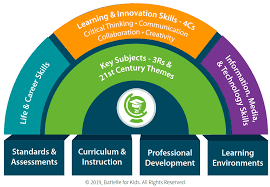
21st Century Skills are typically grouped into three broad categories:
1. Learning and Innovation Skills (The 4 C’s)
These skills prepare students for the increasingly complex life and work environments.
- Critical Thinking – Analyzing and evaluating issues to make sound decisions.
- Creativity – Generating new and innovative ideas.
- Collaboration – Working effectively with others.
- Communication – Sharing thoughts, questions, ideas, and solutions effectively.
2. Digital Literacy Skills (Information, Media, and Technology Skills)
In our technology-driven world, digital skills are essential.
- Information Literacy – Understanding facts, data, and statistics.
- Media Literacy – Understanding the methods and outlets through which information is published.
- ICT Literacy (Information, Communications & Technology) – Using technology to research, evaluate, create, and communicate.
3. Life and Career Skills
These prepare individuals for the modern workplace and personal development.
- Flexibility and Adaptability – Dealing with change positively.
- Initiative and Self-direction – Being self-motivated and goal-driven.
- Social and Cross-Cultural Skills – Working well with diverse teams.
- Productivity and Accountability – Being responsible for results.
- Leadership and Responsibility – Leading effectively and ethically.
Importance of 21st Century Skills
- Prepares students for global economy.
- Encourages lifelong learning.
- Promotes innovative thinking.
- Builds a future-ready workforce.
- Supports interdisciplinary learning.
Implementation in Education
Schools and educational institutions are integrating 21st Century Skills by:
- Project-Based Learning (PBL).
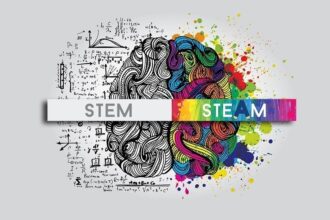
- STEAM (Science, Tech, Engineering, Arts, Math) education.
- Technology integration in classrooms.
- Collaborative and experiential learning.
- Flipped classrooms and digital resources.
Role of Teachers and Educators
- Act as facilitators, not just knowledge providers.
- Encourage critical questioning and problem-solving.
- Use technology to engage students.
- Foster an environment of collaboration and respect.
Challenges in 21st Century Skills Development
- Digital divide (access to tech).
- Rigid traditional curriculum.
- Lack of teacher training.
- Assessment systems not aligned with these skills.
Assessment of 21st Century Skills
Assessment methods are evolving to include:
- Portfolios.
- Peer reviews.
- Performance tasks.
- Rubrics for collaboration, creativity, etc.
Real-World Applications
21st Century Skills are relevant in:
- Workplaces – Emphasis on teamwork, problem-solving, and adaptability.
- Higher education – Research, collaboration, and digital tools.
- Entrepreneurship – Creativity, initiative, and risk-taking.
- Civic engagement – Informed decision-making and communication.
Organizations Promoting 21st Century Skills
- P21 (Partnership for 21st Century Learning).
- UNESCO.
- OECD.
- World Economic Forum (WEF).
Future Outlook
As the world becomes more automated, globalized, and digitized, the emphasis on 21st Century Skills will continue to grow, making them essential for education systems, governments, and employers worldwide.